Planned Routes vs. Serendipitous Wandering: How to Enjoy Autumn Walks

Autumn rearranges the familiar: light lingers differently, margins of the path become a mosaic of rust and gold, and air asks for a scarf. How you set out on a walk shapes what you notice and how you feel. Two contrasting approaches dominate most people’s outings—one built on planning and purpose, the other on openness and discovery. Below is a clear comparison of each approach followed by practical guidance to help you choose the right style for the day.
Approach 1: Planned Routes
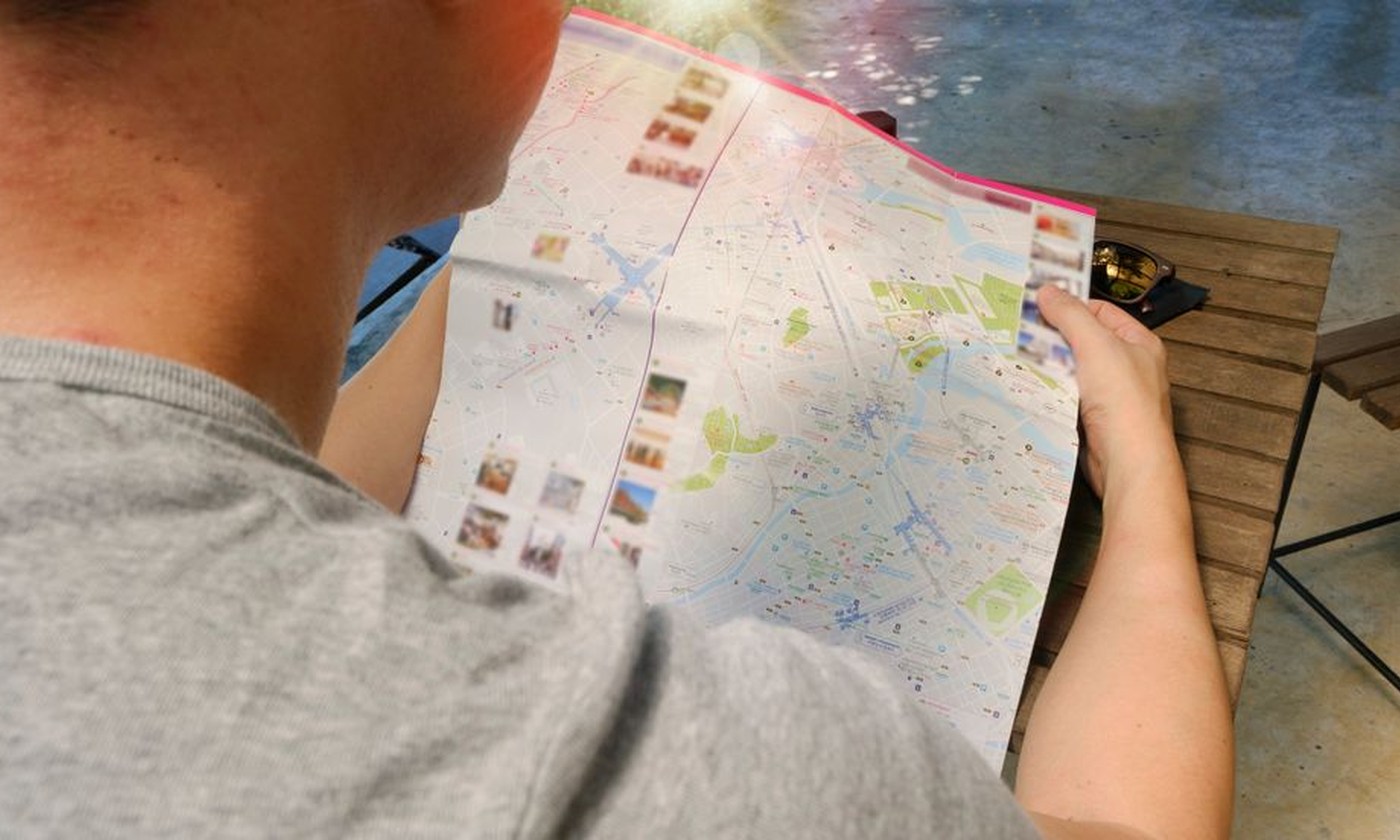
Planned routes begin with a map, a goal, or a loop you intend to complete. This might be a mapped circuit in a local park, a marked trail you’ve wanted to try, or a time box—walk for 60 minutes along a familiar route and return. Planning can range from a simple route sketched on a napkin to a fully prepared route with checkpoints, snacks, and photos to capture.
How to prepare
- Choose a route and estimate time and difficulty.
- Check basic conditions: daylight, weather, trail status.
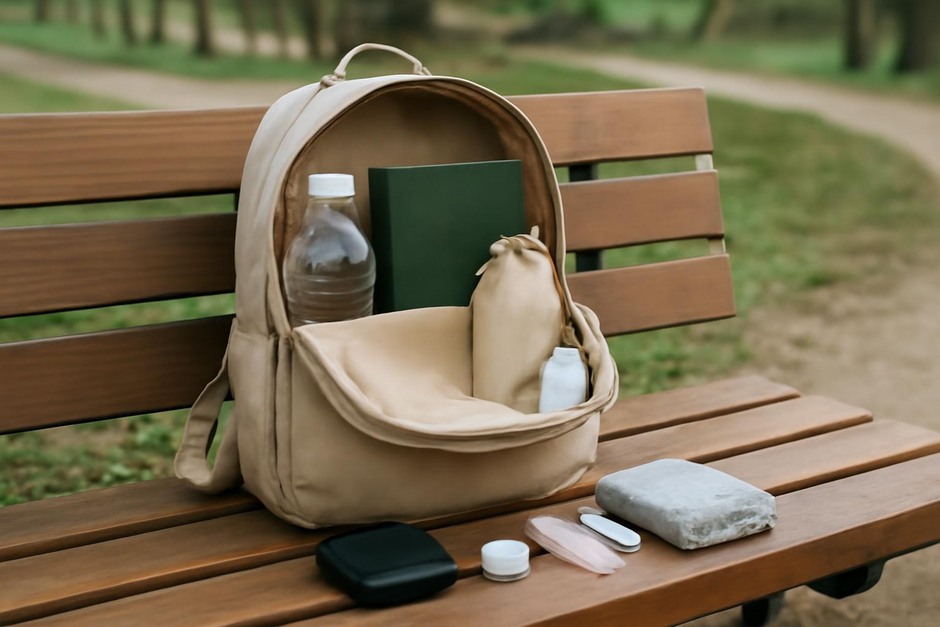
- Pack essentials: suitable shoes, water, a small snack, and an extra layer.
- Note landmarks or public transport points in case you shorten the walk.
Benefits
- Efficiency: You get the distance or exercise you hoped for without guesswork.
- Reliability: Less chance of getting lost or surprised by closed paths.
- Targets met: Helpful for photography projects, birdwatching lists, or leisurely loops with predictable timing.
Limitations
- Less spontaneity: You may miss small delights off the route.
- Pressure: A planned schedule can reduce the sense of leisure if you stick too rigidly to it.
- Over-preparation: Time spent planning might exceed the time saved walking.
Approach 2: Serendipitous Wandering
Serendipitous wandering is aimless by design. You leave with minimal plans—perhaps a vague direction—and allow the day’s light, smells, and curiosities to decide the path. Wandering is suited to slow discovery: finding a tucked-away bench, spotting fungi at the verge, or following a brook to see where it leads.
How to prepare
- Dress in layers and choose comfortable footwear for varied terrain.
- Carry a small kit: water, a snack, and a phone for basic navigation if needed.
- Set a gentle boundary if needed: a time limit or a distant landmark you won’t cross.
Benefits
- Discovery: Greater chance of encountering unexpected sights and quiet corners.
- Relaxation: The lack of timetable often feels restorative and playful.
- Adaptability: You can follow a sudden interest—a flock of birds or a line of old stone walls—without guilt.
Limitations
- Uncertainty: You might end up less distance or time than intended.
- Navigation risks: There’s a slightly higher chance of losing your bearings in unfamiliar areas.
- Logistics: If you have a tight schedule or need to be home on time, wandering can be impractical.
How to Choose Between Them
Pick an approach based on mood, company, and practical needs. Below are questions and scenarios to help you decide—and a few hybrid options if you want a mix.
Quick decision checklist
- How much time do I have? If limited, favor a planned route.
- Who am I with? Families with children or groups often prefer planning; a solo wander might suit an open-ended day.
- What’s the goal? Exercise or errands suggest planning; curiosity or creative inspiration suggest wandering.
- How unfamiliar is the area? In unknown terrain, mix planning with cautious wandering.
Everyday scenarios
- Morning before work: Choose a short, planned loop to avoid being late.
- Afternoon with a camera: Leave time for wandering; the light and texture of fallen leaves reward detours.
- Walking with a friend who wants fresh air and chat: Start with a planned route and allow scheduled side trips for conversation.
- Exploring a new nature reserve: Use a mapped loop first, then if you feel comfortable, allocate time for a walk-off the beaten path.
Hybrid strategies
- Plan the frame, wander the inside: Set a loop or endpoint but allow yourself to detour within it.
- Timebox wandering: Decide to wander freely for the first 30 minutes, then follow a direct route home.
- Landmark-based navigation: Use visible landmarks rather than strict paths—this keeps you anchored while allowing play.
Whichever approach you favor, autumn is an ideal season to notice small changes. Try both styles on different days and note how each affects what you see and how you feel. Over time you’ll build a personal toolkit of routes, detours, and cues that help you choose the right kind of walk for the mood or moment.