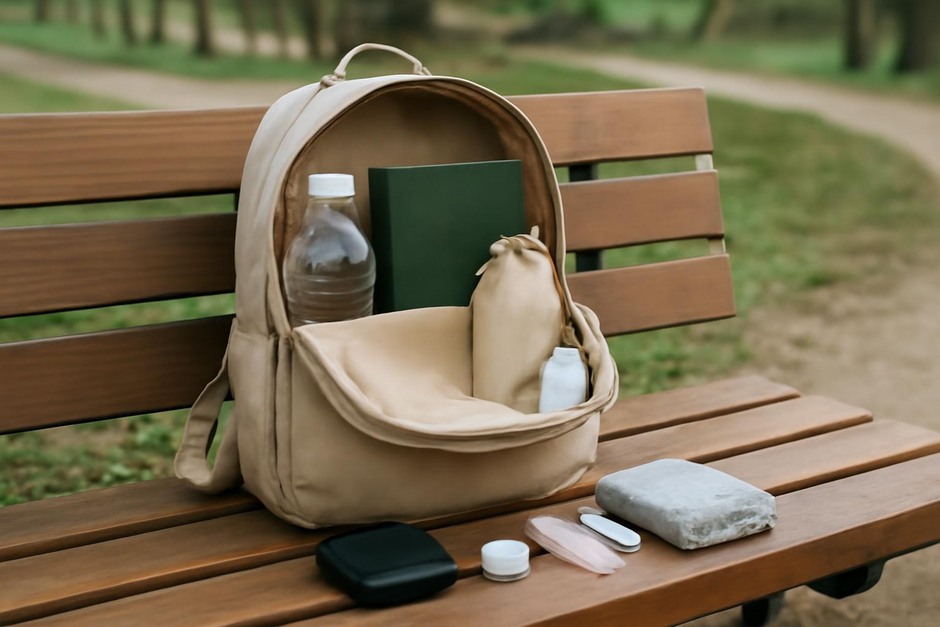
Packing a Lightweight Daypack for Slow Walks: A Practical Checklist and Fixes
A calm, practical step-by-step method for packing a small daypack for relaxed walks, with common mistakes and easy corrections, plus seasonal variations and quick troubleshooting tips.
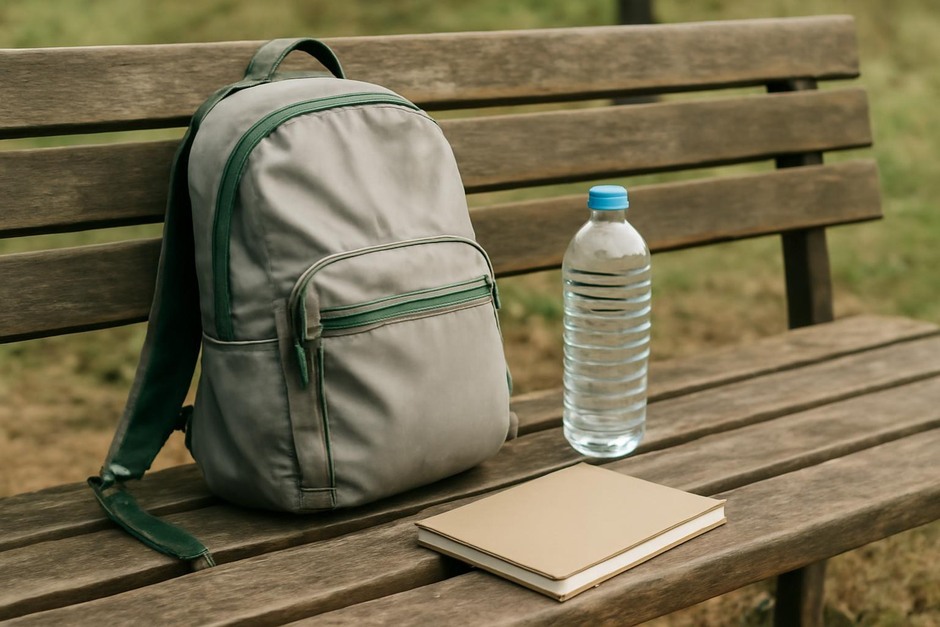
Step-by-step method: pack a light, useful daypack
- Choose the right bag.
- Pick a daypack of 10–18 litres for short, slow walks. Common mistake: using a large rucksack that tempts you to overpack. Correction: aim for one compartment and a couple of pockets to keep things visible.
- Start with a compact base layer.
- Fold a lightweight windbreaker or thin fleece into the bottom. Mistake: stuffing bulky coats. Correction: compress to a small bundle or use a packable jacket.
- Add hydration.
- Carry a 500–750 ml refillable bottle. Mistake: taking a large heavy bottle even for short routes. Correction: aim for the smallest bottle that covers your usual stroll distance.
- Pack a small first-aid and repairs kit.
- Include a few plasters, antiseptic wipe, safety pin, and a tiny multi-tool. Mistake: forgetting basic repair items like a safety pin or extra shoelace. Correction: create a tiny envelope with essentials and keep it always in the bag.
- Bring lightweight snack and a container.
- Choose a compact, non-perishable snack (nut mix, granola bar) and a small reusable bag. Mistake: packing multiple full meals. Correction: one nourishing snack is usually enough and keeps weight down.
- Include a small notebook and pen.
- For notes, sketches, or recording plants and birds. Mistake: bulky journals. Correction: use a pocket-sized notebook that fits a side pocket.
- Keep a compact navigation and safety layer.
- Carry your phone with a portable charger or an extra battery pack (small). Mistake: depending solely on phone battery. Correction: a slim battery or offline map screenshot is lightweight insurance.
- Store items mindfully.
- Heaviest items close to your back and high; fragile or wet items in waterproof pouches. Mistake: random tossing leading to shoulder strain. Correction: place denser items near the top and center, soft items lower.
- Quick comfort extras.
- Include a lightweight sitting mat or handkerchief for impromptu rests. Mistake: disregarding comfort. Correction: one small item can improve breaks without adding notable weight.
- Final checklist before leaving.
- Check weather, zip all pockets, test bottle cap, and ensure straps are adjusted. Mistake: leaving pockets open or straps loose. Correction: a quick routine saves discomfort later.
Variations: adapt the pack to the walk
Short urban stroll (under 2 hours)
- Water bottle (500 ml), phone, wallet, small notebook, single snack, windbreaker.
Longer country ramble (2–5 hours)
- Replace snack with two lighter snacks, add a compact battery, a more substantial first-aid strip, and lightweight waterproof pouch for maps.
Wet or changeable weather
- Use a waterproof pack cover or store items in zip pouches. Swap the windbreaker for a lightweight rain jacket and tuck a small towel or microfibre cloth inside.
Walk with a child or pet
- Add extra snacks, a small collapsible water bowl, and a few spare wipes. Keep heavier items distributed so the bag remains comfortable when stooping or kneeling.
Troubleshooting: common problems and quick fixes
- Sore shoulders or back: You’ve likely loaded the bag unevenly or too heavy. Fix: redistribute weight (heavier items close to the back), tighten the hip strap if present, and shorten shoulder straps so the pack sits higher.
- Everything feels soggy after rain: Gear wasn’t protected. Fix: switch to waterproof pouches for electronics and paper, and adopt a pack cover even for sudden showers.
- Overpacked and bulky: You brought items “just in case.” Fix: remove one nonessential item per section (snack, clothing, tool), or move a backup item to your coat pockets.
- Forgotten essentials at home: Commonly keys or a charged phone. Fix: establish a short pre-walk ritual—check the final checklist by the door every time until it becomes automatic.
- Snacks crushed or wet: Food packed without protection. Fix: use a small rigid or semi-rigid container for fragile items and seal snacks in a zip pouch.
- Navigation worries: Phone battery drained or no signal. Fix: carry an offline map screenshot, a lightweight paper map folded in a waterproof sleeve, or a compact compass.
- Straps rubbing or chafing: Bag design or strap adjustment issue. Fix: add a thin layer (a folded bandana) over the shoulder strap or move the pressure point slightly by repositioning items inside the pack.
Keep the ritual simple: a small, consistent kit that you can glance over in a minute reduces mistakes. Treat the daypack as a living checklist—tweak who you are walking with, the season, and the route, and allow a single small change each time so the bag stays light, useful, and ready for slow, enjoyable walks.